
Some interiors look beautiful in photographs but feel a little too polished to live in. Others invite you to sit down, make a cup of tea, wrap yourself in a blanket, and forget about the outside world for a while. That second feeling is at the heart of the cozy grandmacore aesthetic. It draws inspiration from traditional homes, handmade crafts, familiar fabrics, vintage furniture, and the comforting details associated with slower everyday routines.
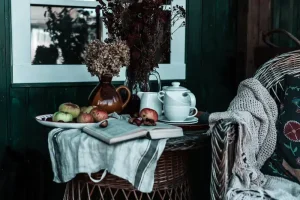
Texture is what makes this style so recognizable. A knitted blanket draped over an old armchair, embroidered cotton resting on a wooden dining table, or a collection of handmade ceramic cups can transform an ordinary room into a welcoming space. These details appeal not only to the eyes but also to the imagination. They remind us of familiar homes, family traditions, and objects that seem to carry stories of their own.
The cozy grandmacore aesthetic is not simply about filling a room with old-fashioned decorations. Its strongest feature is the thoughtful combination of materials that feel natural, familiar, and personal. Soft fabrics balance rough wood. Delicate lace sits beside sturdy ceramics. Floral patterns bring life to neutral backgrounds, while handmade pieces add character that mass-produced accessories often lack.
Understanding these textures makes it easier to create an authentic grandmacore-inspired environment. Whether you are redesigning an entire room or adding a few nostalgic details, the right materials can make a noticeable difference.
The Sensory Appeal Behind the Grandmacore Revival
The grandmacore trend takes inspiration from the warmth and familiarity often associated with traditional homes. It celebrates domestic rituals, handmade objects, gardening, baking, reading, collecting, and spending time in comfortable surroundings. Rather than chasing a perfectly coordinated interior, it embraces spaces that look lived in and have a personal history.
Its appeal is closely connected to nostalgia. Many people associate knitted blankets, floral curtains, wooden cabinets, and embroidered linens with childhood memories or the homes of older relatives. Even when an individual did not grow up in such an environment, these materials can communicate a sense of stability and familiarity.
Texture plays a major role in creating this emotional connection. A smooth, newly manufactured surface can look attractive, but a handmade quilt with slightly uneven stitching often feels more personal. A wooden table with visible grain has a different character from a perfectly uniform laminate surface. These small differences make a room feel less like a showroom and more like a home.
The cozy grandmacore aesthetic also offers a contrast to increasingly digital routines. Screens, notifications, and fast-moving trends can make everyday life feel visually repetitive. Natural fabrics, tactile materials, and traditional crafts provide another kind of experience. They encourage people to slow down and appreciate ordinary objects.
This does not mean every item must be antique or handmade. The important thing is the atmosphere created by the materials. A modern apartment can embrace grandmacore through a vintage-inspired quilt, a wooden side table, or a few carefully selected ceramic pieces.
Soft Fabrics That Make a Space Feel Like Home
Fabric is one of the most recognizable features of grandmacore interiors. It introduces softness, warmth, and movement. Unlike hard furniture surfaces, textiles can be layered, rearranged, and changed with the seasons. They also offer an easy way to introduce color and pattern without making permanent changes to a room.
Chunky Knits, Crochet, and Handcrafted Blankets
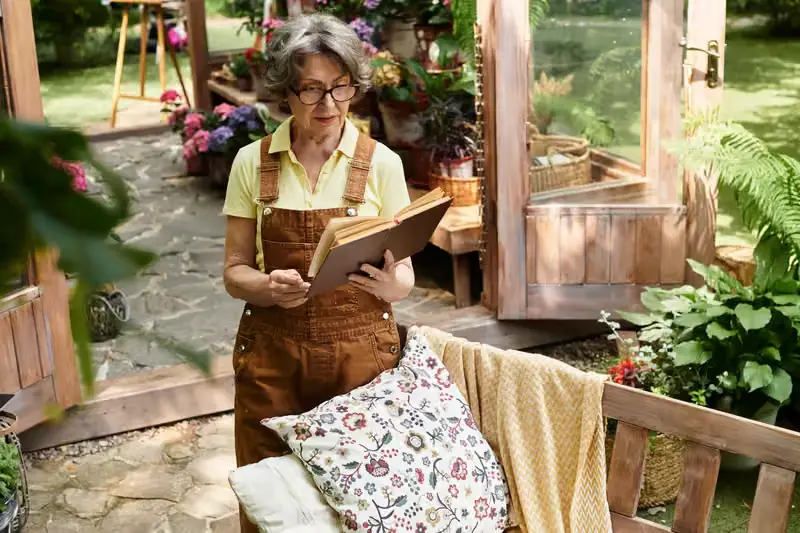
Chunky knitted throws are among the most recognizable elements of the cozy grandmacore aesthetic. Their thick loops and visible stitches create a strong tactile quality. Draped over a sofa or placed at the end of a bed, they make a space look inviting and relaxed.
Crochet has a similar appeal, although its appearance is often more delicate. Handmade crochet blankets, cushion covers, table runners, and decorative edges bring traditional craftsmanship into everyday interiors. Their open patterns create visual interest while maintaining a soft, informal character.
Quilts are another important textile. They often combine different fabrics, colors, and stitching patterns. A patchwork quilt can introduce several shades into a bedroom without requiring additional decorations. Older quilts may also carry sentimental value, especially when they have been passed down through generations.
The secret is to let these pieces look naturally used rather than perfectly arranged. A knitted blanket casually placed over an armchair often feels more welcoming than one folded into an exact decorative shape. A slightly uneven handmade finish is not a flaw. It is part of the charm.
Lace, Linen, and Delicate Cotton Details
Heavier fabrics need lighter materials to create balance. Lace, linen, and cotton provide that contrast. Their softer appearance prevents an interior from becoming visually heavy.
Vintage lace curtains allow daylight to filter into a room while creating delicate patterns across nearby surfaces. Lace tablecloths and decorative runners can add an old-fashioned touch to dining areas, especially when paired with wooden furniture or simple ceramic dishes.
Linen offers a more understated alternative. Its natural wrinkles and slightly irregular surface give it a relaxed appearance. Linen cushion covers, curtains, bedding, and table napkins work particularly well in rooms where the overall color palette is soft and neutral.
Cotton is equally versatile. Embroidered pillowcases, floral bedding, and traditional tablecloths introduce a sense of domestic comfort without requiring elaborate decoration. These fabrics are also practical because many can be washed and used regularly.
When combining delicate textiles, consider their visual weight. A lace curtain can sit comfortably beside a heavier knitted throw because each material contributes a different quality. This contrast is one of the reasons the cozy grandmacore aesthetic feels layered rather than monotonous.
Natural Materials With Stories to Tell
Natural materials give grandmacore interiors their grounded character. They bring variation in color, grain, surface, and shape. Unlike perfectly uniform manufactured finishes, natural materials often contain small differences that make each object feel individual.
Wood is especially important. A traditional dining table, an old bookshelf, or a wooden storage chest can become the foundation of a room. Visible grain, gentle wear, and warm undertones help create a welcoming atmosphere. Darker woods often suggest a traditional, collected interior, while lighter woods can make the style feel fresher and more contemporary.
Wicker and rattan add another layer. Woven baskets are useful for storing blankets, magazines, craft supplies, or everyday household items. Their open structure creates texture without adding visual heaviness. A wicker chair or rattan lampshade can also introduce a handcrafted quality.
Clay and stone provide a different tactile experience. Unglazed pottery, handmade plant pots, and stoneware bowls bring subtle irregularities to shelves and tables. These materials look especially attractive beside cotton fabrics and wooden surfaces.
The cozy grandmacore aesthetic works well when natural materials are allowed to show their original character. Instead of covering every surface with decorative objects, choose a few pieces with interesting finishes. A worn wooden stool, a handmade bowl, or a woven basket can contribute more atmosphere than several unrelated accessories.
Natural materials also require suitable care. Wood should be protected from excessive moisture, wicker should be kept reasonably clean and dry, and unglazed pottery may need gentle handling. Looking after these objects helps preserve their appearance and makes them practical for everyday use.
Vintage Surfaces and the Beauty of Imperfection
Grandmacore interiors rarely depend on perfectly new-looking furniture. Their character often comes from surfaces that suggest age, use, and history. Scratches, faded finishes, uneven paint, and subtle wear can make an object feel more personal.
Weathered Wood and Antique Furniture
An old wooden dresser can become a focal point in a bedroom. Its surface may have small marks, faded paint, or visible grain that gives it a character a newly manufactured piece cannot easily reproduce. A vintage dining table can create a similar effect in a kitchen or dining room.
Distressed furniture works best when it is balanced with softer details. A weathered cabinet may look especially inviting with a folded linen runner, a ceramic vase, or a small collection of framed photographs. These additions make the furniture feel connected to the rest of the room.
However, aged furniture should not be confused with neglected furniture. Loose joints, unstable shelves, sharp edges, or damaged finishes need attention. If you are buying secondhand pieces, check their condition before using them. Restoration can preserve the original character while improving safety and durability.
For a modern interpretation, combine one or two vintage pieces with simpler contemporary furniture. This approach keeps the room functional and prevents it from looking like a historical display.
Ceramic, Porcelain, and Timeworn Decorative Pieces
Ceramics and porcelain are valuable because they combine practical use with decorative appeal. A collection of mismatched cups, floral plates, small serving bowls, and handmade jugs can create a charming kitchen display.
Vintage ceramics often have delicate patterns or slightly faded colors. Handmade pottery may feature uneven glazing, visible brush marks, or subtle differences in shape. These details support the collected appearance that defines the cozy grandmacore aesthetic.
Instead of hiding every piece inside a cabinet, consider displaying a few favorites on open shelves. A small group of plates can be arranged against a wall, while everyday cups can remain within easy reach. The display should still feel useful rather than overly formal.
Not every vintage ceramic item is suitable for food use. If the glaze is damaged or the item’s safety is uncertain, use it for decoration instead. This allows you to enjoy its appearance without compromising everyday practicality.
Floral Patterns, Embroidery, and Traditional Decorative Motifs
Floral patterns are closely associated with traditional interiors. They appear on curtains, wallpaper, bedding, cushions, tablecloths, and upholstered furniture. Their appeal comes from their ability to introduce color and visual movement while maintaining a familiar, gentle atmosphere.
Small-scale floral prints are especially useful when creating a layered room. Tiny roses, botanical illustrations, and delicate leaves can add interest without overwhelming the space. Larger floral patterns can also work, particularly when used on a single statement piece such as an armchair or bedspread.
Embroidery introduces a more personal form of decoration. Hand-stitched flowers, initials, borders, and traditional motifs bring craftsmanship into everyday objects. An embroidered cushion or table runner can become a small focal point because the stitching creates texture as well as pattern.
Patchwork is another recognizable feature. It combines different fabrics into one design, allowing several colors and prints to work together. The result can feel playful and nostalgic, especially when the palette remains coordinated.
The key to combining patterns is to establish a visual connection. If your curtains have a floral print, choose cushions that repeat one or two colors from that pattern. A plain linen surface can provide a resting point between more decorative fabrics. This prevents the room from becoming crowded.
The cozy grandmacore aesthetic is not about avoiding patterns. It is about using them with intention. Floral designs, embroidery, and patchwork should contribute to the room’s story rather than compete for attention.
Layering Textures Without Creating Clutter
Layering is what gives grandmacore interiors much of their depth. A room with only one or two materials may feel plain, while a room with too many unrelated textures can become overwhelming. Good styling depends on contrast and proportion.
Start with the largest surfaces. Flooring, walls, curtains, and major furniture pieces establish the visual foundation. Once these elements feel balanced, smaller textures can be introduced through cushions, throws, baskets, rugs, and decorative accessories.
Think about the relationship between rough and smooth materials. A soft knitted blanket looks interesting against a smooth wooden chair. A delicate lace runner can soften a sturdy dining table. A glazed ceramic vase can stand out beside an unpolished wooden shelf.
It is also useful to combine different levels of visual detail. If a room already has patterned wallpaper and floral curtains, choose simpler upholstery. If the furniture is mostly plain, embroidered cushions or a patchwork quilt can introduce more character.
Spacing matters as much as material choice. Every surface does not need to be covered. Leaving some visible wood, open wall space, or an uncluttered tabletop allows the more decorative textures to stand out.
An experienced interior stylist often begins with a limited material palette and repeats selected textures throughout the space. For example, wicker might appear in a basket and a lampshade, while linen is repeated in curtains and cushions. This creates continuity without making everything match.
The Role of Color in Making Textures Feel Cozy
Color changes how materials are perceived. A cream knitted blanket may feel soft and peaceful, while the same texture in deep red can appear more dramatic. Choosing the right palette helps the room communicate the intended mood.
Warm neutrals are a reliable starting point. Cream, ivory, beige, warm gray, and soft brown work well with natural wood, linen, and woven materials. They provide a calm background for floral patterns and vintage accessories.
Muted pastels introduce a gentle decorative quality. Dusty pink, faded blue, pale yellow, and soft lavender can create a nostalgic atmosphere without looking overly bright. These colors are particularly effective on bedding, small cushions, ceramics, and painted furniture.
Earthy shades offer another option. Sage green, olive, terracotta, and muted ochre connect the interior to nature. They pair naturally with wooden surfaces, clay pots, and botanical patterns.
Lighting should also be considered. Warm indoor lighting can make creams and natural woods appear richer, while cooler lighting may change the appearance of some fabrics and painted finishes. Before committing to a wall color or large textile, observe it at different times of day.
The cozy grandmacore aesthetic usually feels most harmonious when the colors appear slightly softened rather than highly saturated. This does not mean every room must be pale. Deep greens, burgundy, or navy can create beautiful contrast when used thoughtfully.
Bringing Grandmacore Textures Into Different Rooms
A successful interior does not need to look identical from one room to another. Each space has different practical needs. The same materials can be used in different ways to create a consistent atmosphere throughout the home.
Living Rooms That Invite Slow Evenings
The living room is a natural place to introduce layered textiles. A comfortable sofa can be styled with a combination of cotton cushions, a knitted throw, and a small floral accent. A vintage wooden coffee table or wicker storage basket can add natural texture.
Avoid arranging every item too carefully. A room intended for relaxation should feel comfortable to use. Keep blankets within reach, leave space for books, and choose surfaces that can handle everyday activities.
A vintage armchair can become a quiet reading corner when paired with a soft cushion and a small wooden side table. A warm lamp and a woven basket for magazines complete the setting without requiring expensive decoration.
Kitchens and Dining Spaces With a Homemade Feel
The kitchen is closely connected to the traditional domestic atmosphere associated with grandmacore. Embroidered tea towels, cotton curtains, ceramic dishes, wooden chopping boards, and woven storage baskets can make the space feel welcoming.
Open shelves are useful for displaying selected crockery. A few floral cups, handmade bowls, and glass jars can create a collected appearance. However, frequently used items should remain easy to reach, and displays should not interfere with food preparation or cleaning.
In dining spaces, a linen tablecloth or embroidered runner can soften a wooden table. Mismatched but coordinated chairs can add personality, while ceramic serving dishes bring a handcrafted touch to everyday meals.
Bedrooms Filled With Softness and Nostalgia
Bedrooms are particularly suited to the softer side of the cozy grandmacore aesthetic. Quilted bedspreads, cotton sheets, lace details, knitted blankets, and floral cushions can create a layered and restful environment.
The bed should remain the main focus. Too many decorative pillows or heavy textiles can make it difficult to use comfortably. Choose a few materials that work together, such as a cotton base, a quilted cover, and one knitted throw.
Vintage bedside tables, small ceramic lamps, and framed botanical prints can complete the look. Keep practical storage in mind so that the room remains peaceful rather than cluttered.
Expert Styling Advice for a More Authentic Look
The most convincing grandmacore interiors are built gradually. They do not look as though every object was purchased from the same shop at the same time. Instead, they contain a thoughtful mix of old, new, handmade, inherited, and secondhand pieces.
An important expert recommendation is to prioritize material quality over decorative quantity. One well-made cotton quilt can have more visual and practical value than several inexpensive synthetic throws. A sturdy wooden table may also last longer and develop a more attractive surface over time than a temporary decorative piece.
When sourcing vintage furniture, inspect construction, stability, and signs of damage. Check drawers, hinges, joints, and the condition of upholstery. Older textiles should be examined for stains, weakened seams, and fabric deterioration. Some pieces may need professional cleaning or repair before they can be used.
It is also worth considering the environmental side of the trend. Choosing secondhand furniture, repairing existing items, and reusing textiles can extend the life of household objects. This approach supports a more thoughtful relationship with consumption. However, sustainability depends on how an item is produced, transported, maintained, and eventually reused, not simply on whether it looks vintage.
Do not feel pressured to create a completely traditional interior. A modern sofa can work beautifully with a vintage quilt. Contemporary lighting can sit beside an antique wooden cabinet. The contrast makes the room feel personal and practical.
Another useful recommendation is to introduce the style in stages. Begin with a textile, a piece of furniture, or a small collection of ceramics. Live with the arrangement before adding more. This helps you understand which materials genuinely improve the room and which ones simply take up space.
Above all, let comfort guide your decisions. If a delicate tablecloth is difficult to maintain in a busy household, use it in a less frequently used area. If a knitted blanket is too warm for everyday use, choose a lighter cotton throw. An authentic cozy grandmacore aesthetic should support daily life rather than turn the home into a space that cannot be touched.
Why the Grandmacore Aesthetic Continues to Resonate
The continuing appeal of grandmacore comes from more than its visual style. It reflects a desire for comfort, familiarity, craftsmanship, and meaningful surroundings. In a culture where trends can change quickly, objects that feel personal and long-lasting offer a different kind of satisfaction.
Handmade textiles and vintage furniture also carry visible signs of time and effort. A quilt represents hours of stitching. A wooden cabinet may have served several generations. A ceramic bowl might have been used for ordinary family meals. These associations give everyday objects a sense of importance.
The style also encourages people to value ordinary routines. Preparing food, arranging flowers, reading in a comfortable chair, or enjoying a quiet evening can become meaningful parts of daily life. The surrounding textures reinforce this atmosphere.
There is also room for individual interpretation. One person may prefer a cottage-inspired room filled with floral prints and lace. Another may choose a simpler arrangement built around wood, linen, and handmade pottery. Both can express the same underlying values.
This flexibility helps explain why the cozy grandmacore aesthetic can adapt to apartments, family homes, rented rooms, and contemporary interiors. It is less about reproducing a particular decade and more about creating a personal environment that feels warm and lived in.
Creating a Home That Feels Personal, Warm, and Timeless
The most memorable interiors are not necessarily the most expensive or perfectly coordinated. They are the spaces that reflect the people who use them. Grandmacore offers a way to create that feeling through textures with character, materials with natural variation, and objects connected to everyday life.
Start with fabrics that invite touch. Add natural wood, woven materials, handmade ceramics, or a vintage piece that has a story. Use floral patterns and embroidery where they bring warmth, and balance decorative details with calm surfaces. Let each room develop at a comfortable pace.
The cozy grandmacore aesthetic is ultimately about creating a home that feels welcoming rather than staged. It celebrates the beauty of useful objects, the value of traditional skills, and the comfort of familiar surroundings. A knitted blanket, a well-used wooden table, or a handmade cup may seem like a small detail, but together these elements can create an atmosphere that feels deeply personal.
You do not need to copy an old family home or fill every corner with vintage decorations. Choose the textures that make you feel comfortable, keep the materials practical, and allow your space to evolve naturally. That is what gives this aesthetic its lasting charm.
Frequently Asked Questions
What textures are most important in the cozy grandmacore aesthetic?
The most recognizable textures include chunky knits, crochet, lace, linen, embroidered cotton, patchwork quilts, weathered wood, wicker, rattan, and handmade ceramics. Combining soft fabrics with natural, slightly imperfect surfaces creates the familiar warmth associated with grandmacore interiors.
How can I create a grandmacore look without buying expensive vintage furniture?
Start with affordable textiles, secondhand accessories, handmade decorations, and pieces you already own. A knitted throw, floral cushion, woven basket, or embroidered table runner can change a room’s atmosphere. Thrift stores and family keepsakes may also offer distinctive items without requiring a large budget.
Can the cozy grandmacore aesthetic work in a modern apartment?
Yes. You can introduce it through selected materials rather than changing the entire interior. Combine contemporary furniture with linen curtains, vintage ceramics, natural wood, floral cushions, and handmade blankets. Keeping the color palette coordinated helps traditional textures feel comfortable and balanced in a modern space.