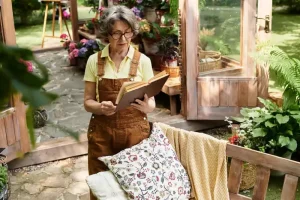

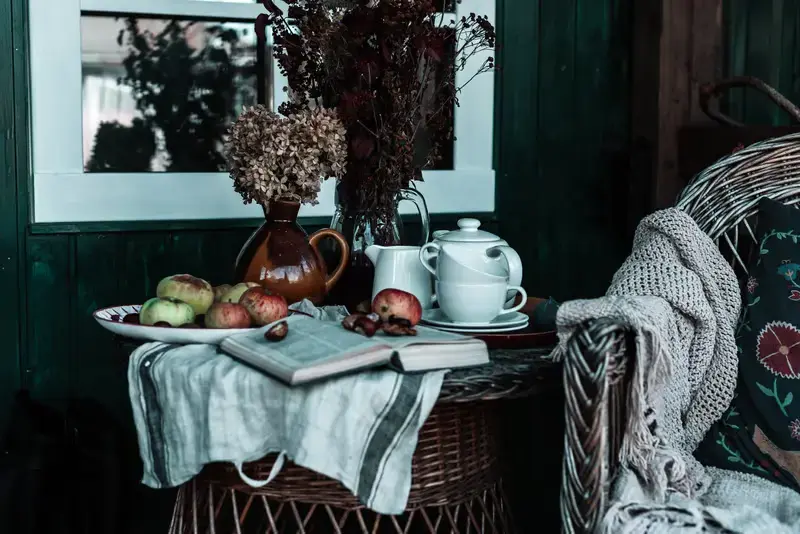
Think back to a kitchen from your childhood. Maybe it smelled like cardamom tea or baking bread. Maybe a crocheted blanket lay over the back of a worn armchair, and a bowl of hard candy sat on a lace doily no one was allowed to move. Nothing in that room was fashionable, and yet it felt like the safest place in the world. Now imagine that feeling turned into a design language. That, in a sentence, is the grandmacore aesthetic.
It has spread across social media, thrift stores, and home magazines because it answers a feeling many people share. Life moves quickly, screens never rest, and spaces designed for photographs can feel oddly cold. Grandmacore offers the opposite. It celebrates softness, slowness, handmade things, and objects with stories. It says that a home does not have to be perfect to be beautiful, and that a faded quilt can be more luxurious than anything sold in a showroom.
There is also a practical side. Prices of new furniture and clothing have climbed, and secondhand shopping has gone mainstream. ThredUp’s 2026 Resale Report found that the U.S. resale market grew nearly four times faster than the broader retail clothing market in 2025, and that 59 percent of consumers shopped for secondhand apparel last year. Gen Z and Millennials are expected to drive more than 70 percent of resale growth through 2030. The grandmacore aesthetic sits at the meeting point of those forces: nostalgia, thrift, sustainability, and the longing for comfort. This guide explains the look, shows how to create it room by room, and gives honest advice on thrifting smartly and safely, so your home can feel warm without feeling like a costume.
What the Grandmacore Aesthetic Really Is
Grandmacore is a style inspired by the homes, wardrobes, and habits of an older generation, particularly the cozy, handmade, and practical sensibilities associated with grandmothers. It is not a single historic period. Instead, it blends memories and motifs from several decades, such as mid-century florals, 1970s earth tones, hand-knit textiles, ceramics, and lace. The emphasis is on comfort, craft, and the quiet beauty of objects that have been cared for over time.
It sits in a family of related trends. Cottagecore romanticizes rural life, with wildflowers, linen, and countryside charm. Granny chic leans toward fashion, with cardigans, pleated skirts, and sensible shoes. Cluttercore embraces abundant collections and layered displays. Grandmacore overlaps with all of them, but its heart is domestic warmth, the sense of being looked after. Think of it as a hug in the form of a room.
What makes it distinct is its attitude toward imperfection. A chipped teacup is charming rather than flawed. A mismatched set of chairs looks collected, not careless. An afghan that does not quite match the sofa looks loved. This attitude is a relief for people tired of minimalist perfection, and it also makes the style forgiving and affordable. You do not need a large budget or professional design skills. You need patience, an eye for texture, and the willingness to let a space develop slowly, one meaningful object at a time.
The Look in Detail: Colors, Patterns, and Materials
The strongest grandmacore interiors feel layered and lived in, but they are not random. A few consistent choices in color, pattern, and material tie everything together.
Palettes and Prints That Feel Lived In
Colors tend to be soft, warm, and slightly muted. Think of buttery yellow, dusty rose, sage and olive green, faded teal, cream, mustard, terracotta, and warm brown. These shades look like they have been touched by decades of sunlight. Darker accents, such as deep burgundy, forest green, or navy, add richness without feeling harsh. Walls are often painted in gentle tones or covered in subtle wallpaper, and woodwork may be left natural or painted in creamy whites.
Patterns are the heart of the style. Florals are the most iconic, including chintz, small ditsy prints, and cabbage roses, but gingham, plaid, stripes, paisley, and embroidered motifs also belong. The trick is balance. Mix patterns of different scales, such as a large floral with a small check, and keep a shared color thread so the eye feels calm. Solid pieces, like a plain linen sofa or a cream wall, give the patterns room to breathe. If you worry about overwhelming a room, start with one patterned item per area and add more as you gain confidence.
Textiles and Handmade Details
Textiles carry most of the coziness. Look for crocheted blankets, quilts, knitted throws, embroidered cushions, lace curtains, woven rugs, and linen tablecloths. Natural fibers such as cotton, wool, and linen age beautifully and feel good to the touch. Doilies, runners, and cross-stitched pieces add a handmade charm, particularly when used with restraint, such as under a lamp or a vase.
Materials beyond fabric matter too. Wooden furniture with visible grain, wicker baskets, brass and copper accents, ceramic pottery, glass jars, enamelware, and well-used cast iron all fit. Look for patina, which is the soft wear that develops on surfaces over years of use. A scratched oak table or a dull brass lamp has a quiet dignity that new items struggle to imitate. The goal is not to make everything look old but to choose objects that welcome touch and invite use.
Cozy Decor, Room by Room
The grandmacore aesthetic works best when it is practical. Every room should feel comfortable to sit in, easy to use, and personal. Here is how to bring the style into the main spaces of a home.
The Living Room and Reading Nook
Start with seating. A deep, soft sofa or a well-worn armchair is the centerpiece, ideally with a throw blanket and a few mismatched cushions. Add a small side table within reach, holding a lamp, a teacup, and a stack of books. Warm, low lighting is essential. Replace harsh overhead bulbs with table lamps, preferably with fabric shades, and choose warm bulbs, typically labeled around 2700 Kelvin, for a golden glow.
Layer rugs, such as a vintage-style woven rug over a larger neutral one, to add texture and warmth underfoot. Arrange family photos in a gallery wall of mismatched frames, and display small collections, like porcelain figurines, travel souvenirs, or glass paperweights, on shelves and cabinets. A reading nook can be as simple as a chair by a window with a footstool and a basket of magazines. Add a few houseplants, since ferns, pothos, and African violets suit the look perfectly. The overall feeling should say: sit down, stay awhile.
Kitchen and Dining Spaces
The kitchen is the emotional center of the aesthetic. Open shelving can display mismatched china, mason jars, and enamel pots, while gingham curtains or a lace valance soften the window. A wooden table with chairs that do not quite match feels collected and inviting. Cover it with a linen or cotton tablecloth, and place a simple bowl of fruit or a jar of wildflowers in the center.
Vintage kitchenware adds charm and function. Look for cast iron skillets, ceramic mixing bowls, tea kettles, tins, recipe boxes, and wooden spoons. Be mindful of safety when using older items, which we will address later. Keep tea or coffee supplies visible and attractive, perhaps on a tray with a few cups. Hang a small cross-stitched sign or framed recipe card for personality. The goal is a kitchen that invites baking, lingering, and conversation.
Bedroom and Bath
In the bedroom, layer bedding for comfort and texture. A quilt or crocheted bedspread over soft cotton sheets, plus a few pillows in coordinating prints, creates a nest-like feeling. Choose a wooden or painted bedside table with a small lamp, a book, and perhaps a glass for water. Lace or cotton curtains filter morning light, and a vintage mirror or framed botanical print adds charm. A small chair in the corner for folded clothes, or a quilt rack at the foot of the bed, completes the picture.
In the bathroom, keep things simple and soft. Fluffy towels, a floral shower curtain, a wooden stool or basket for extra toilet paper, and a small plant create a cozy but practical space. Glass apothecary jars for cotton balls, a pretty soap dish, and a hand-embroidered guest towel add touches of nostalgia. Make sure ventilation is good, since fabrics and wood need protection from moisture.
Grandmacore Fashion: Cardigans, Lace, and Gentle Layers
The aesthetic extends naturally to clothing. Grandmacore fashion favors comfort, modesty, and texture over trends. Signature pieces include chunky knit cardigans, cable-knit sweaters, pleated midi skirts, floral dresses, peter pan collars, corduroy trousers, tweed jackets, and sensible loafers or mary janes. Accessories lean toward the classic and slightly quirky, such as pearl necklaces, cameo brooches, silk scarves, brooches, wire-rimmed glasses, and structured handbags.
Color and fabric follow the same logic as the home. Muted tones, soft wools, cotton, and linen dominate, and patterns such as plaid, houndstooth, and ditsy florals appear often. Layering is key. A collared blouse under a knit vest, with a cardigan over the top, feels both cozy and put-together. The trick to avoiding a costume effect is to mix a few vintage pieces with modern basics, like jeans, simple sneakers, or a contemporary coat.
Thrifted clothing is perfect for this look, since many of the best pieces are genuinely old. Check fit carefully, because vintage sizing differs from modern sizing. Look at seams, buttons, linings, and fabric condition, and consider simple alterations by a tailor to make a piece fit well. Confidence matters most. The grandmacore wardrobe is about feeling wrapped in comfort, not about following rules.
Thrifting Like a Pro: Where to Look and What to Check
Thrifting is the engine of the aesthetic, because authentic pieces carry history that new items cannot. It is also a skill, and a little knowledge helps you find better items and avoid disappointment.
Where the Best Finds Hide
Start with the obvious places: thrift stores, charity shops, and church or community rummage sales. Estate sales and garage sales are especially rich, since they often offer entire households of items, and early morning visits usually give the best selection. Flea markets and antique malls reward patience and can sometimes be negotiated on price. Online marketplaces and resale apps make it easier to search for specific items, from a particular pattern of china to a crocheted blanket in a certain color, though you should always check photos and descriptions carefully.
Do not overlook unusual sources, such as library book sales for vintage cookbooks, school fundraisers, and neighborhood buy-nothing groups. Family and friends may also have items they are happy to pass along. Go regularly, because inventory changes constantly. Bring a tape measure, a small flashlight, and a list of dimensions for spaces you want to fill, so you can judge whether a piece will fit. Go with an open mind, and let yourself be surprised. The best finds are often things you did not know you were looking for.
Quality, Safety, and Cleaning Checks
Before buying, inspect each item with care. For furniture, check joints, legs, and drawers for stability, look for signs of woodworm such as tiny holes or fine dust, and smell for mildew or smoke, which can be hard to remove. For upholstery, look at seams and cushions for stains, tears, and signs of pests, and consider whether you can afford reupholstery if needed. For textiles, hold items up to the light to find thin spots or holes, and check for moth damage.
Safety deserves particular attention. Painted furniture and fixtures made before 1978 in the United States may contain lead-based paint, so avoid sanding or scraping unknown finishes without testing, and use appropriate precautions or professional help. Some vintage ceramics, glassware, and decorative dishes can contain lead or other metals in glazes and decorations, so it is wise to use items of unknown origin for display rather than for food and drink, unless they are known to be food-safe. Vintage electrical items, such as lamps and appliances, may have worn cords or outdated wiring, so have them inspected or rewired by a qualified person before use. Old cribs, high chairs, and other children’s items may not meet current safety standards and should generally be avoided.
Clean thoughtfully once you get home. Wash washable fabrics according to their care labels, or hand wash gently, and air items outdoors to freshen them. Wipe wood with a mild soap solution or a product suited to the finish, and use a gentle polish if needed. Isolate new fabric items for a few days if you are worried about pests, or place them in a sealed bag in the freezer when appropriate for the material. These steps protect your health and your home while preserving the charm that drew you to the piece.
The Economics and Ethics of Secondhand
One of the strongest reasons to embrace the grandmacore aesthetic is that it is kind to both your wallet and the planet. Buying secondhand extends the life of objects that already exist, which reduces demand for new production and waste. According to ThredUp’s 2026 report, the global secondhand market is projected to reach about $393 billion by 2030, growing roughly twice as fast as the overall apparel market, and price pressure is a major motivator for shoppers. Interior designers are part of the movement too. A 1stDibs designer survey in 2026 reported that 81 percent of respondents source furniture and decor from the 1920s through the 1990s.
There is also a psychological dimension. Many people love the treasure-hunt feeling of thrifting, and secondhand objects often feel more personal than mass-produced items. Owning something with a past can make a home feel rooted. At the same time, it is worth thinking about the effects of trend-driven buying. When thrift becomes fashionable, prices rise, and people who rely on secondhand stores for necessity can face more competition for affordable goods. Be mindful. Buy what you will use, resist the urge to hoard, donate what you no longer need, and leave basics like affordable children’s clothing and essential household goods for those who depend on them.
Consider quality over quantity. A few well-chosen pieces that you love will serve you better than a house full of impulse purchases. Repair and reuse before replacing. Support local thrift stores that fund community programs, and be respectful toward staff and volunteers. Treat the trend as an invitation to slow down and value what we already have, not as another excuse to consume.
Mixing Old and New Without Creating a Museum
A home entirely filled with vintage items can feel heavy or dusty if it is not edited carefully. The best grandmacore interiors blend old and new, so the space feels warm and current. Pair a vintage armchair with a modern side table, or hang a contemporary print on a wall with a floral wallpaper. Use clean, simple pieces, such as a plain sofa, as a backdrop for treasured items, and keep surfaces clear enough that objects can be appreciated.
Edit regularly. Group collections together for impact, rather than scattering small items everywhere, and rotate displays seasonally to keep things fresh. Allow some empty space. Negative space makes the layered areas feel intentional, not cluttered. Pay attention to scale and balance, ensuring that large patterns or bulky furniture do not overwhelm a small room. Keep functionality in mind, with enough storage, good lighting, and modern comforts like reliable heating and charging points hidden discreetly.
Light is your ally. Natural light and warm lamps highlight textures and colors, while overly dark rooms can look heavy. Add mirrors to reflect light, and choose lighter paint colors if a room feels cramped. Above all, trust your own taste. The best rooms reflect the people who live in them, not a rigid formula. If an item makes you smile, it probably belongs.
Slow Crafts: Mending, Crochet, and Embroidery
The grandmacore aesthetic is not only about buying. It also celebrates making and mending, the quiet crafts that earlier generations practiced as part of daily life. Learning a few basic skills can deepen your connection to the style and help you care for your finds. Simple sewing allows you to repair a torn seam or sew on a button. Darning can rescue a favorite sweater, and visible mending, using contrasting thread to turn a repair into a design feature, has become a trend of its own.
Crochet and knitting are especially popular. A beginner can start with a simple granny square, the motif that gave the trend part of its name, and build up to blankets, scarves, or cushion covers. Embroidery offers another path, with small hoops that can become wall art, or monograms that personalize linens. Baking from old recipes, preserving fruit, pressing flowers, and writing letters by hand all belong to the same spirit.
These crafts offer more than objects. They provide a calm, repetitive rhythm that many people find soothing, and research on crafting suggests it can support relaxation and a sense of accomplishment, though results vary between individuals. Join a local craft circle, library workshop, or online group to learn from others, and consider learning from older relatives or neighbors who have skills to share. In doing so, you also connect across generations, which is perhaps the most meaningful part of the trend.
Honoring the Real Grandmothers Behind the Trend
It is worth remembering that the style we admire grew out of real lives. Many grandmothers decorated their homes with what they could afford, repaired clothes because they had to, and kept collections of things that mattered to them. Their choices were not always about aesthetics. They were about thrift, care, and love. Honoring that history means approaching the trend with respect, not mockery or caricature.
Ask about family stories and objects. If you have a grandmother, an older relative, or an elderly neighbor, listen to their memories and learn how they made things, cooked, and decorated. Preserve family heirlooms, and write down their stories so they are not lost. If you do not have access to older relatives, volunteer with programs that connect generations, such as visiting seniors or helping with community craft groups. The trend becomes richer when it includes real relationships.
Also be aware that older people come from many backgrounds and cultures. Grandmother’s house in one family looks very different from another, and the aesthetic is not limited to one region or ethnicity. Embrace diversity by appreciating textiles, foods, and traditions from different cultures, and credit sources and makers when you can. The goal is to celebrate care and craftsmanship, not to flatten them into a single stereotype.
Expert Advice From Designers and Vintage Dealers
People who work with vintage and interiors offer a few reliable tips. Start with a feeling, not a shopping list. Decide whether you want your home to feel cozy, nostalgic, calm, or cheerful, and let that guide your choices. Buy items you genuinely love, since your own enjoyment makes a room feel authentic. Invest in comfortable seating and good lighting first, because they shape how you use a space every day.
Learn to recognize quality. Solid wood furniture, dovetail joints, heavy ceramics, natural fibers, and well-made hardware usually last longer than flimsy items, even when they are old. Be patient. Vintage dealers often say that the best pieces appear when you stop rushing and keep looking. Take measurements, test sturdiness, and negotiate politely when appropriate. Keep a small stash of cleaning supplies and repair tools, so you can refresh finds quickly.
Finally, give yourself permission to evolve. Trends change, and so do you. Build a foundation of timeless, adaptable pieces and let the trendier elements be easy to swap, such as cushions, throws, and decor. Remember that a home is not a finished project. It is a living story, and the most beautiful rooms are those that grow slowly, hold memories, and make you feel safe.
Final Thought
At its best, the grandmacore aesthetic is not about doilies or floral wallpaper. It is about the feeling those things once gave us, the sense that someone cared enough to make a place soft, warm, and welcoming. In a world that rewards speed and novelty, choosing a handmade quilt, a chipped teapot, or a well-loved chair is a small act of rebellion. It says that old things still have value, that slowness is a kind of luxury, and that home is something we tend, not something we buy once and finish.
So start gently. Pick one corner, one blanket, one cup that makes you smile. Visit a thrift store with no agenda and see what calls to you. Learn one stitch, bake one recipe, call one relative and ask about the house they grew up in. Over time, your space will gather stories, and you will find that you have built not just an aesthetic but a place where you can finally exhale. That is what grandmas have always known, and it is a lesson worth carrying forward.